Current Pricing Sheet

The Forever Roof

Valid For ThroughRevisedDoc ID

Price your roof

Roof type

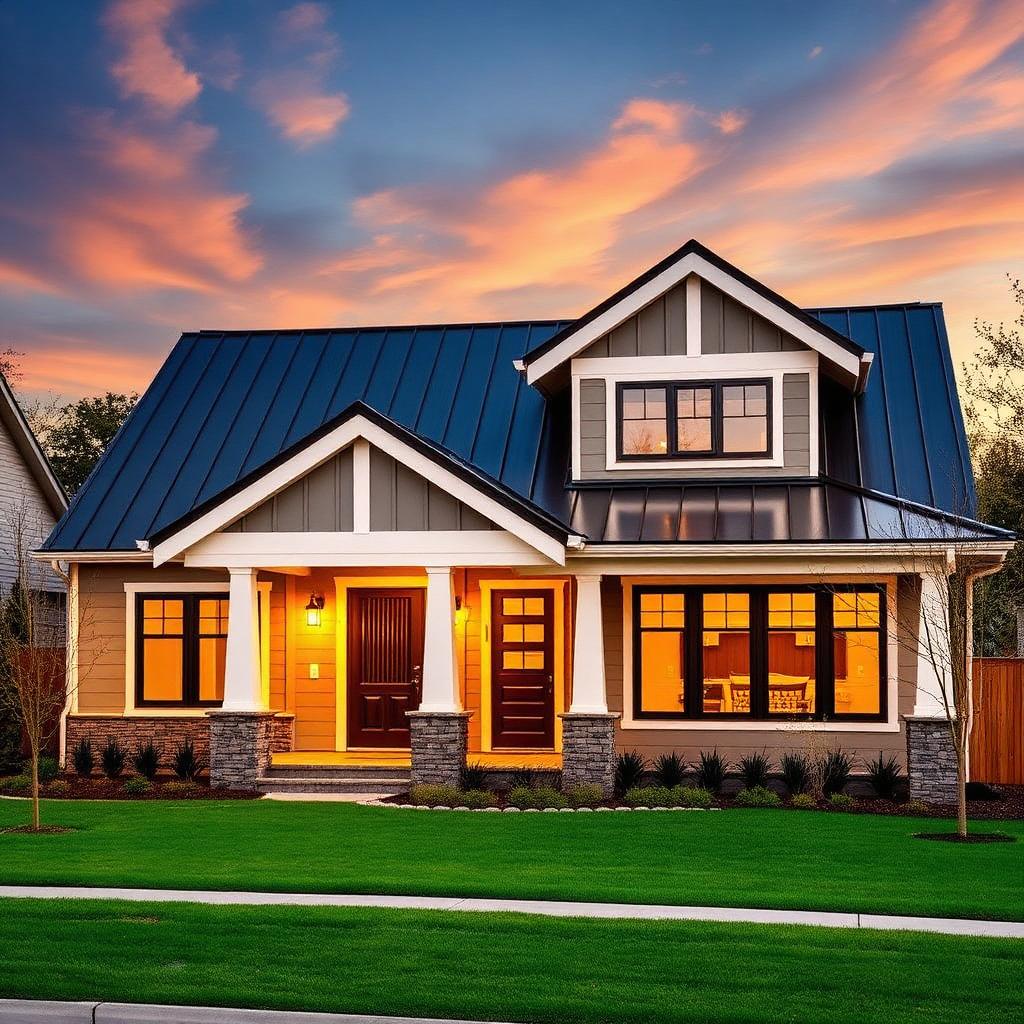
Home with a standing seam metal roof

The roofs, in detail

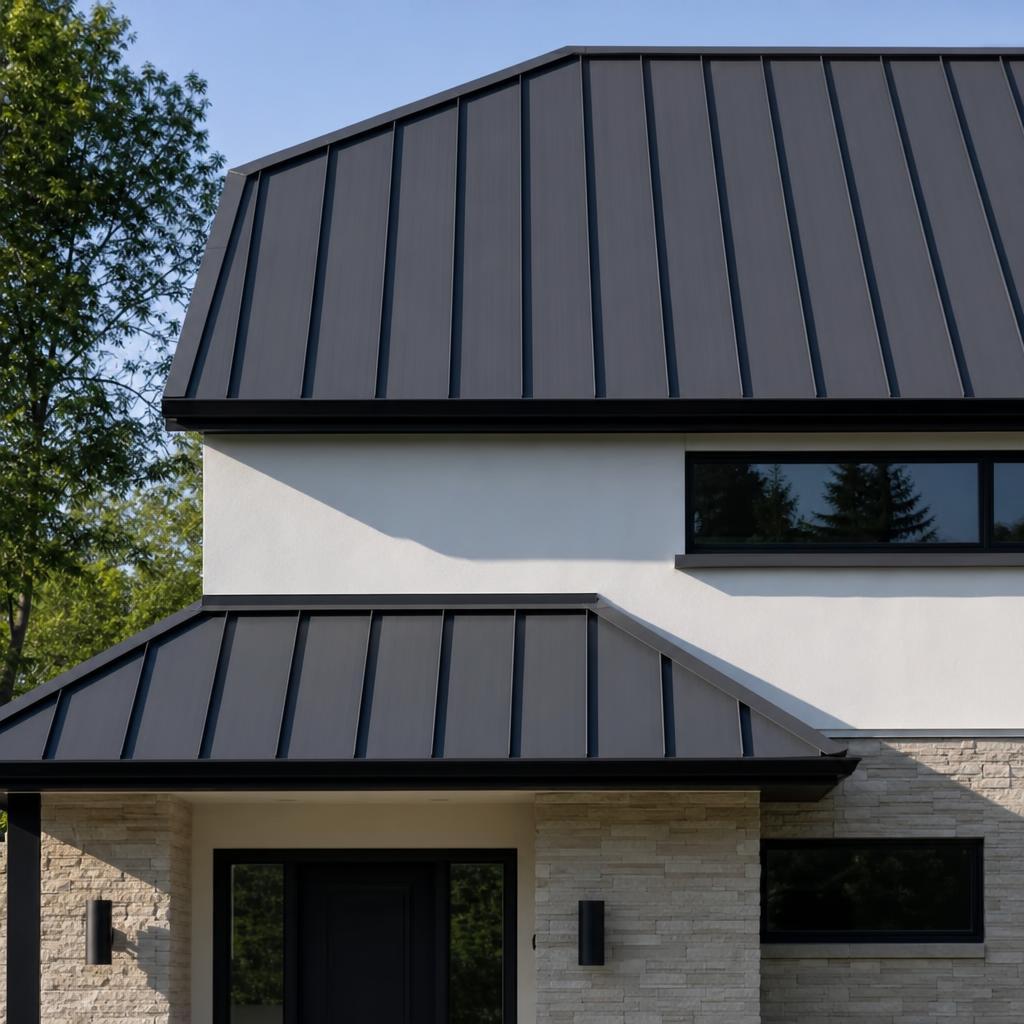
Standing Seam Metal

01 / The lifetime roof

Standing Seam Metal

Long vertical steel or aluminum panels locked together with raised seams. No exposed fasteners on the face of the roof, which is the number one reason metal roofs eventually leak. This is the system most homeowners mean when they say they want a forever roof.

Best for
Homeowners who plan to stay put, hail country, wildfire zones, snow country, and modern farmhouse or contemporary architecture.

Pros

  • 50 to 70 year service life
  • Class A fire rating and Class 4 impact rating available
  • Sheds snow and ice, ideal for steep pitches
  • Kynar 500 paint finishes hold color for 30+ years
  • Compatible with solar panels using clamp-on rails, no roof penetrations

Trade-offs

  • Highest upfront cost of the metal options
  • Requires an experienced installer, not every roofer does it well
  • Can be noisier in heavy rain without proper underlayment
Material
24 or 26 gauge steel, or aluminum in coastal areas
Weight
About 1 to 1.5 lbs per sqft
Lifespan
50 to 70 years
Maintenance
Rinse once a year, inspect sealant at flashings every 5 years
Metal Shingles

02 / Metal that looks like shingle, shake, or tile

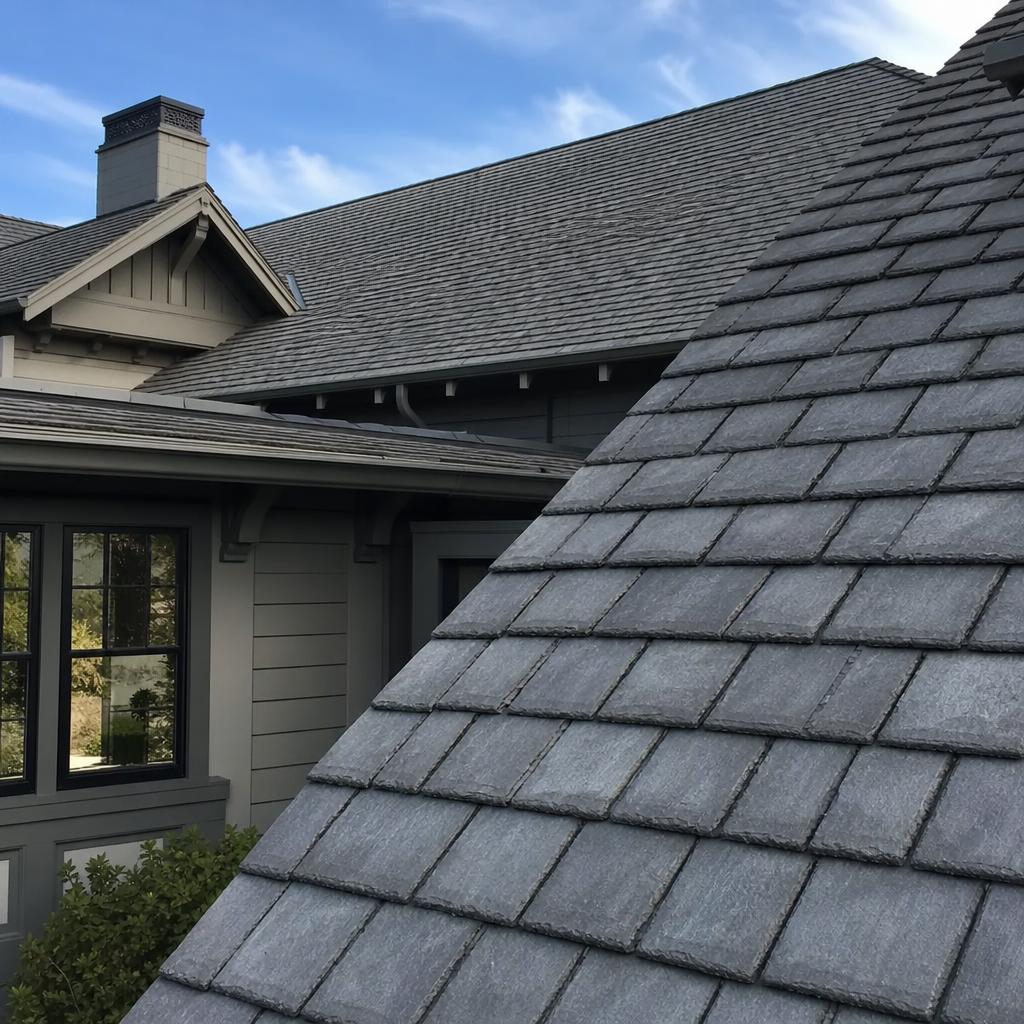
Metal Shingles

Stamped steel or aluminum panels finished with stone coating or a baked-on paint. From the street it reads as a traditional shingle, shake, or slate roof, but it carries the same weather and lifespan advantages as other metal systems.

Best for
Traditional and craftsman homes, HOA neighborhoods that will not approve standing seam, and homeowners who want metal without the modern look.

Pros

  • 40 to 60 year service life
  • Blends into any neighborhood style
  • Interlocking design resists wind uplift up to 120+ mph
  • Lighter than slate or tile, no structural upgrades needed

Trade-offs

  • Textured surface can hold debris in valleys
  • Individual panel replacement is more involved than standing seam
  • Stone coating can shed granules in the first year
Material
Stamped steel with stone coating or Kynar finish
Weight
About 1.4 lbs per sqft
Lifespan
40 to 60 years
Maintenance
Clear valleys yearly, touch up any scratched coating
Corrugated Metal

03 / The workhorse metal roof

Corrugated Metal

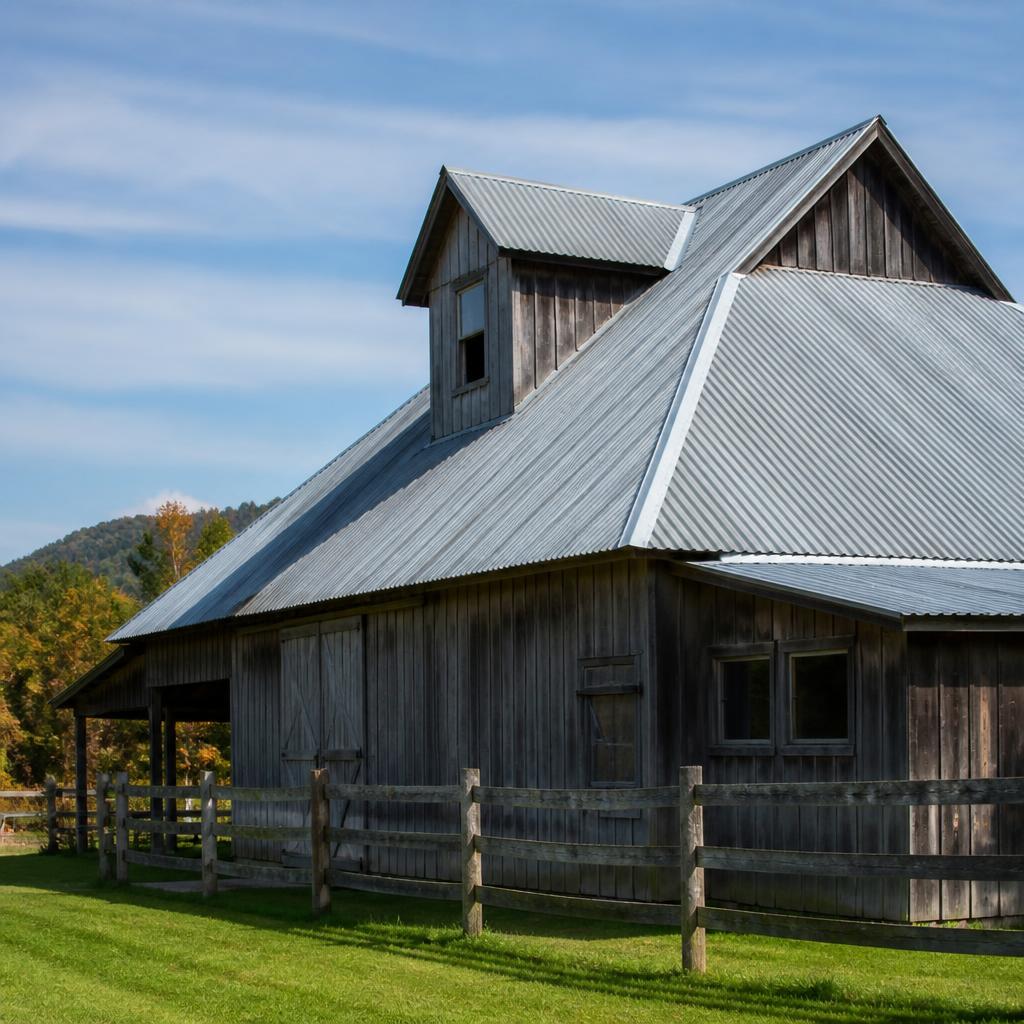
Wavy or ribbed panels attached with exposed screws and neoprene washers. Historically a barn and outbuilding roof, now common on farmhouse and cabin builds. The most affordable way to get a real metal roof, with the tradeoff that the fasteners are visible and will need attention over time.

Best for
Barns, shops, cabins, farmhouse exteriors, and budget-conscious homeowners who like the rustic look.

Pros

  • Lowest cost metal option
  • Fast install, straightforward panel layout
  • Fully recyclable at end of life
  • Available in galvanized, galvalume, and painted finishes

Trade-offs

  • Exposed fasteners need re-torquing and washer replacement around year 15 to 20
  • Less refined appearance, not right for every neighborhood
  • Panel overlaps can wick water on very low slopes
Material
26 or 29 gauge galvalume or painted steel
Weight
Under 1 lb per sqft
Lifespan
25 to 40 years
Maintenance
Inspect and retorque screws every 5 years, replace washers around year 15
Asphalt Shingle

04 / The default American roof

Asphalt Shingle

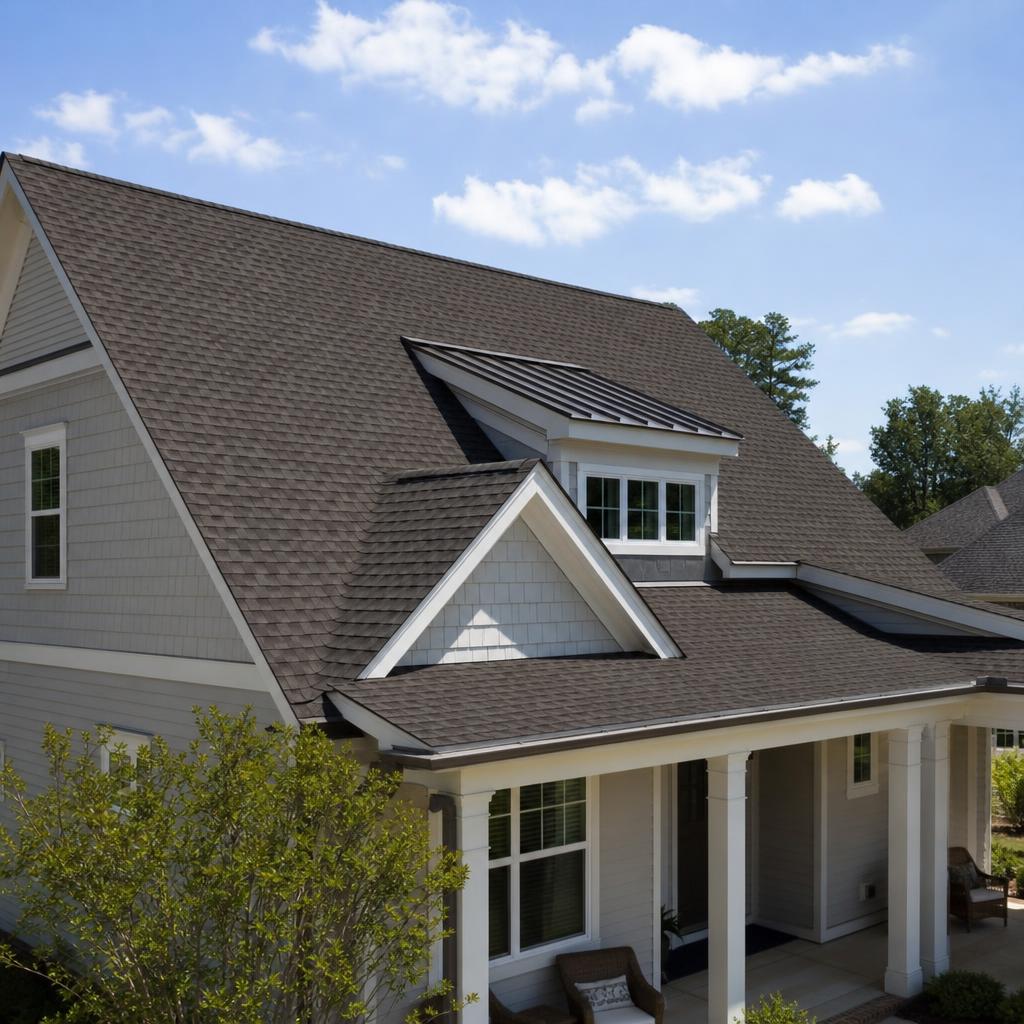
Fiberglass mat coated in asphalt and mineral granules. About 75% of homes in the US wear this material. It is cheap, familiar, and every roofer knows how to install it. It is also the shortest-lived option on this list, and the one most affected by heat, hail, and high wind.

Best for
Short-term ownership, rental properties, and homeowners with a strict budget who plan to reroof again in 15 to 20 years.

Pros

  • Lowest install cost
  • Every roofer can install and repair it
  • Widest range of colors and styles
  • Architectural (dimensional) shingles look better than 3-tab

Trade-offs

  • 15 to 25 year service life, shorter in hot or hail-prone climates
  • Granule loss accelerates with sun exposure
  • Not ideal for very steep or very low slopes
  • Ends up in a landfill, not recycled
Material
Fiberglass mat, asphalt, ceramic-coated mineral granules
Weight
2 to 3 lbs per sqft (architectural)
Lifespan
15 to 25 years
Maintenance
Annual inspection, replace lifted or missing shingles promptly
Slate

05 / A roof that outlives the mortgage twice

Slate

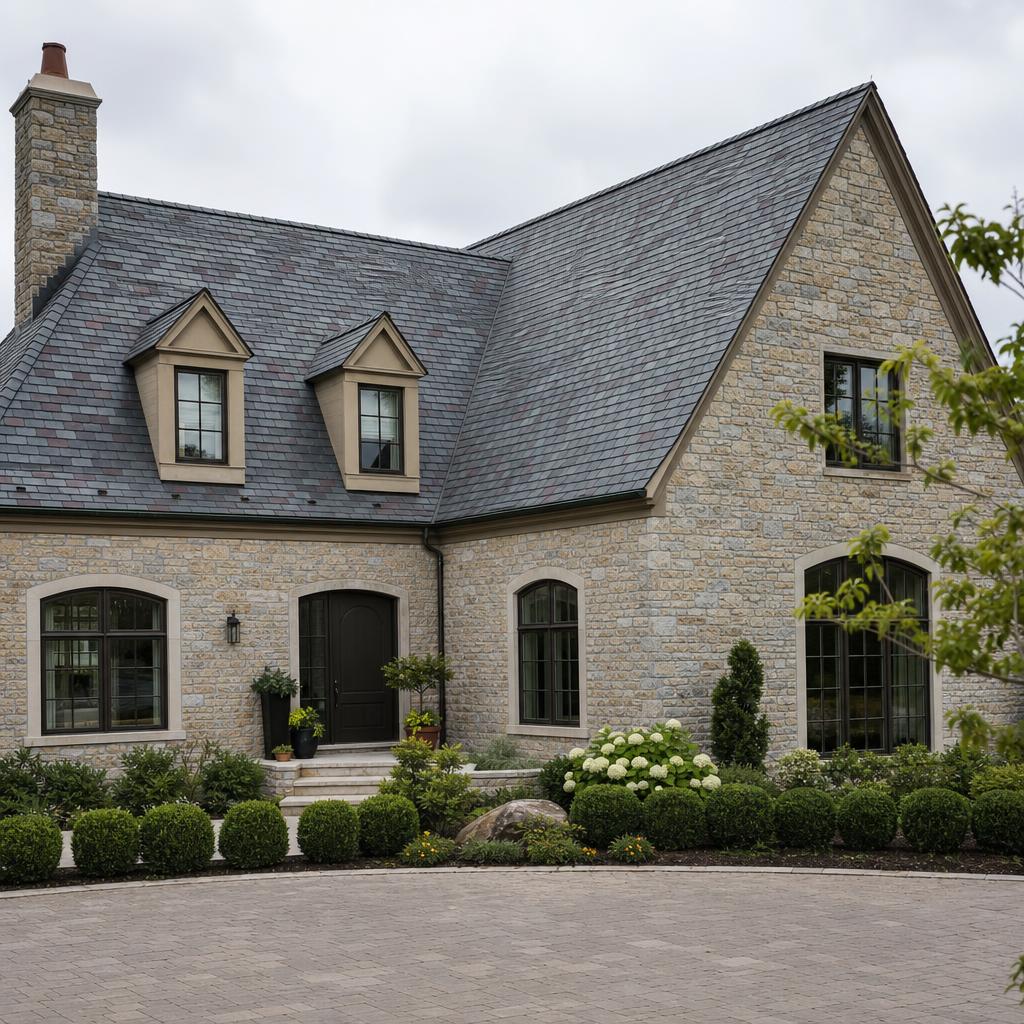
Natural quarried stone split into thin overlapping tiles. Genuine slate is the longest-lived residential roof material available. It also weighs three to four times as much as asphalt and requires a structure built or reinforced to carry it.

Best for
Historic homes, high-end custom builds, and buyers who want a roof they will truly never replace.

Pros

  • 75 to 150 year service life
  • Fireproof and non-combustible
  • Natural material, no color fade
  • Signature look that lifts resale value

Trade-offs

  • Highest cost per sqft on this list
  • Very heavy, most homes need a structural evaluation
  • Individual tiles are brittle underfoot, walking the roof requires skill
  • Fewer contractors are qualified to install and repair it
Material
Natural quarried slate, typically 1/4 inch thick
Weight
8 to 10 lbs per sqft
Lifespan
75 to 150 years
Maintenance
Inspect flashings and copper details every 5 years, replace broken tiles individually
Clay or Concrete Tile

06 / Sun country classic

Clay or Concrete Tile

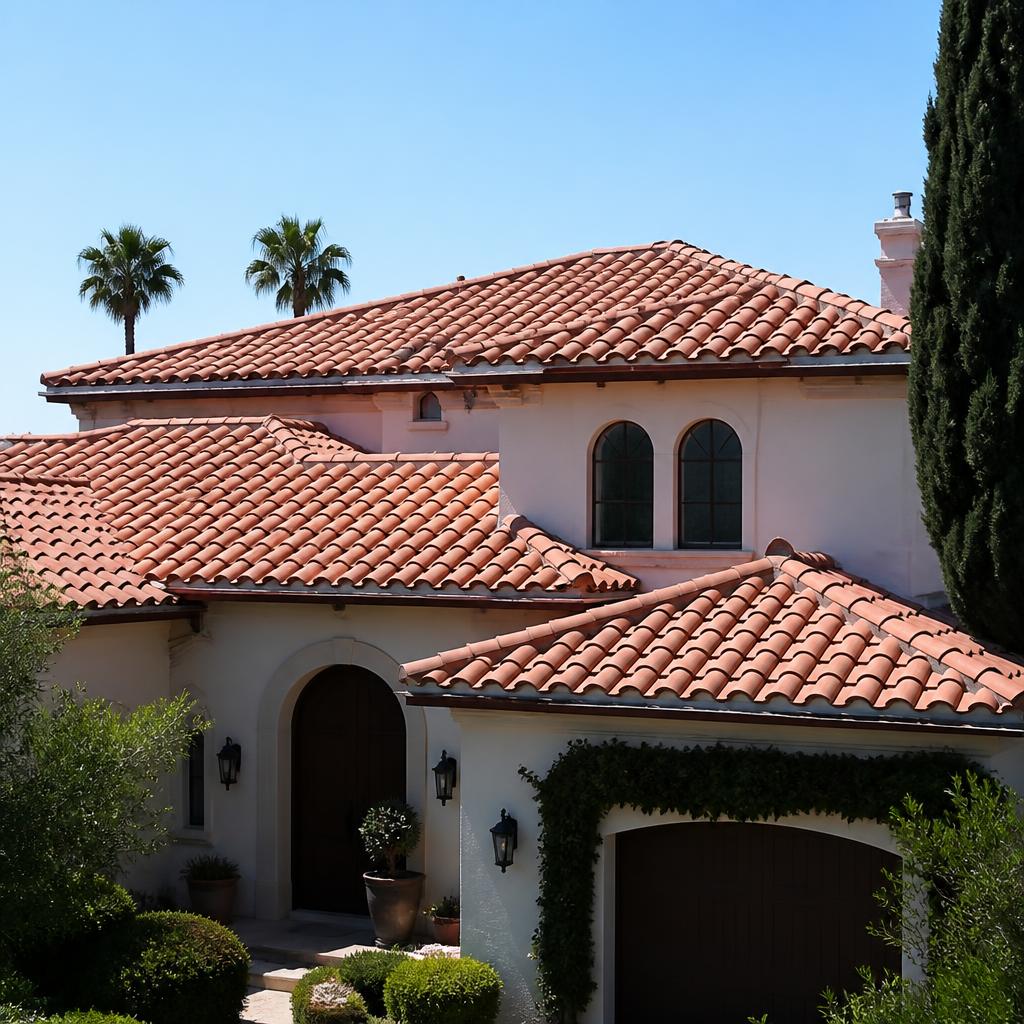
Molded clay or concrete tiles in flat, S-curve, or barrel profiles. Standard on Mediterranean, Spanish, and Southwest-style homes for good reason: they reflect heat, breathe from underneath, and hold up in relentless sun.

Best for
Hot and dry climates, coastal homes, and any architecture that calls for a Mediterranean or Spanish look.

Pros

  • 50 to 100 year service life
  • Excellent thermal mass, reduces attic temperatures
  • Fireproof and salt-air resistant
  • Clay color runs through the tile and does not fade

Trade-offs

  • Heavy, similar structural considerations to slate
  • Tiles crack under foot traffic if walked incorrectly
  • Underlayment usually needs replacement long before the tiles do (around year 25 to 30)
  • Not ideal for hard-freeze climates unless rated for freeze-thaw
Material
Fired clay or dyed concrete
Weight
9 to 12 lbs per sqft
Lifespan
50 to 100 years
Maintenance
Replace cracked tiles as spotted, plan for one underlayment refresh mid-life