Current Savings Sheet

Solar Savings

Valid For ThroughRevisedDoc ID

Estimate your savings

System type

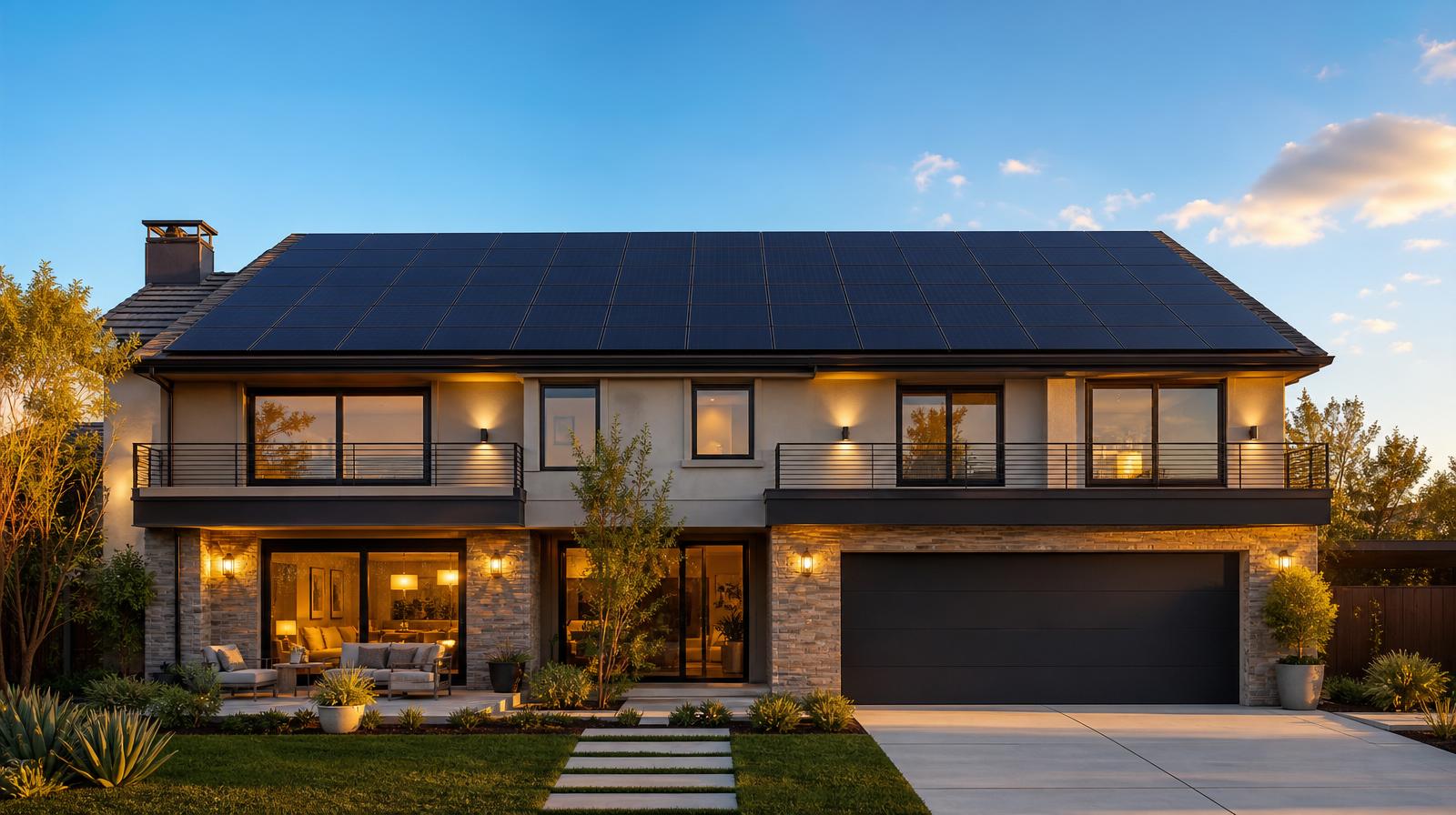
Modern home with a full rooftop solar array at golden hour

The systems, in detail

Essential Grid-Tie

01 / The starter savings system

Essential Grid-Tie

A right-sized grid-tie solar array built to knock a big chunk off your electric bill without oversizing the roof. Sends excess power back to the utility for credit through net metering. The fastest path to real monthly savings.

Best for
Homeowners with a moderate electric bill who want a quick payback and are fine with a smaller offset.

Pros

  • Lowest upfront cost of any solar option
  • Fastest payback period, usually 6 to 9 years
  • Qualifies for the 30% federal tax credit
  • Easy to expand later as needs grow

Trade-offs

  • Does not eliminate the electric bill entirely
  • No power during grid outages without a battery
  • Smaller array leaves less margin as rates rise
Panel type
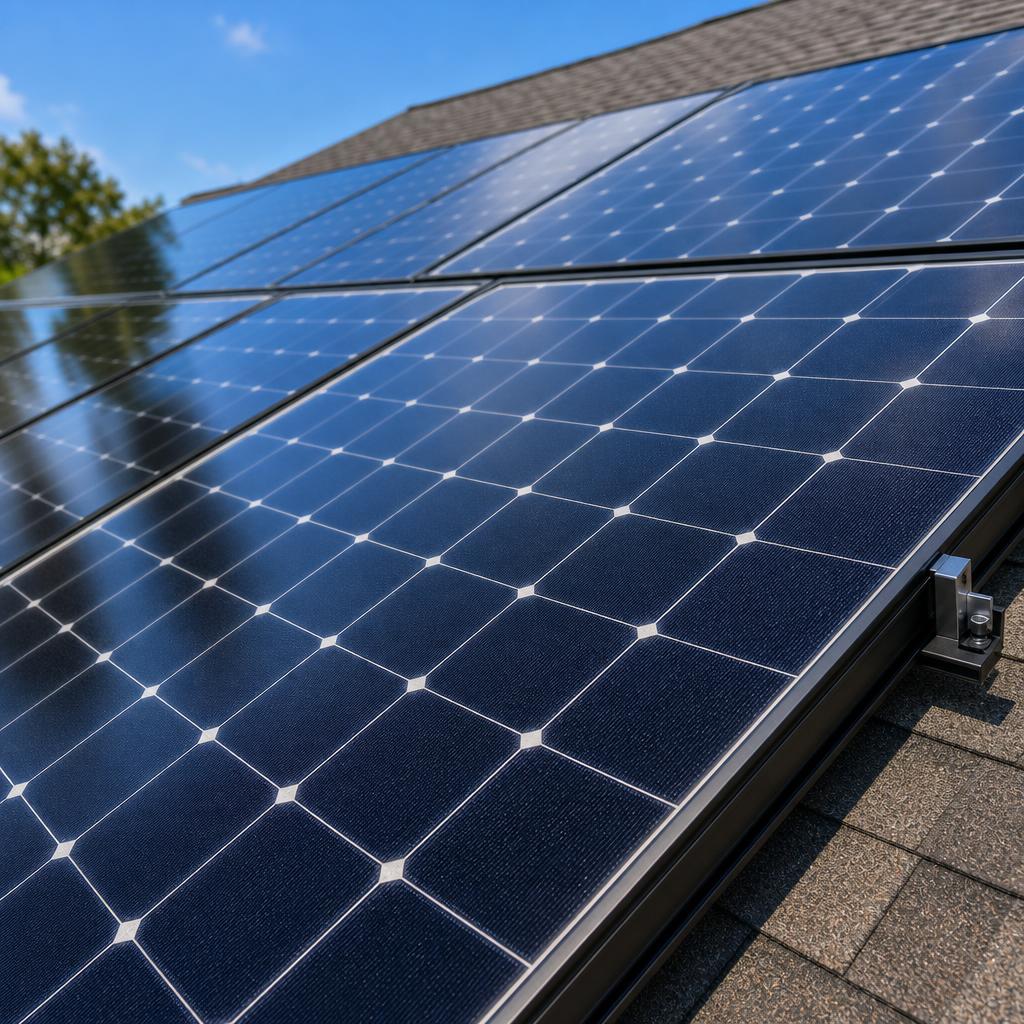
400W monocrystalline modules, string inverter
Warranty
25-year panel performance, 12-year inverter
Lifespan
25 to 30 years
Maintenance
Rinse panels once a year, inverter check every 5 years
Premium Monocrystalline

02 / The workhorse of residential solar

Premium Monocrystalline

A full-size monocrystalline array with microinverters or optimizers on every panel. Designed to zero out most of your monthly bill and lock in today's electric rates for the next 25+ years. This is the system most families end up with.

Best for
Households with a $150+ monthly bill who plan to stay in the home 7+ years and want serious long-term savings.

Pros

  • Offsets 80 to 95% of a typical bill
  • Panel-level optimization, one shaded panel doesn't drag the rest
  • 30% federal tax credit plus most state and utility rebates
  • Increases home value at resale

Trade-offs

  • Larger upfront investment than the essential tier
  • Requires enough unshaded south, east, or west roof space
  • Still needs a battery for outage protection
Panel type
410 to 440W monocrystalline, microinverters
Warranty
25-year panel and workmanship, 25-year microinverter
Lifespan
30 to 35 years
Maintenance
Annual rinse, monitoring app flags any panel issues in real time
Bifacial High-Efficiency

03 / Maximum production per square foot

Bifacial High-Efficiency

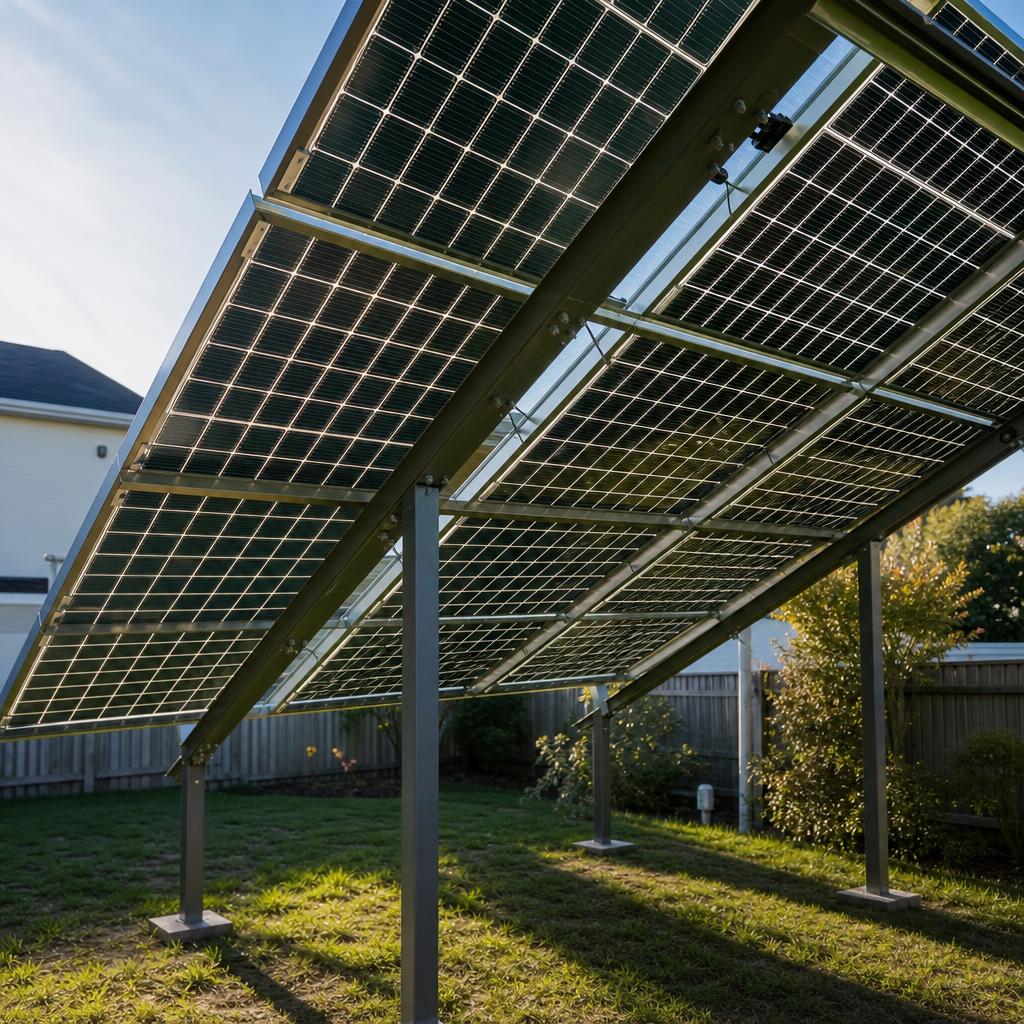
Dual-glass panels that capture direct sunlight on the front and reflected light on the back. On the right roof or ground mount, bifacial modules produce 10 to 20% more energy than a standard panel with the exact same footprint.

Best for
Ground-mount installs, light-colored roofs, snow country, and any homeowner who wants to fully eliminate their bill.

Pros

  • Highest energy production per panel on the market
  • Full 100% offset is realistic on most homes
  • Better cold-weather and low-light performance
  • Longer 30 to 40 year expected lifespan

Trade-offs

  • Higher panel cost than standard monocrystalline
  • Only fully pays off with proper mounting height and light reflection
  • Ground mounts need available yard space and trenching
Panel type
440 to 500W bifacial dual-glass modules
Warranty
30-year panel performance, 25-year workmanship
Lifespan
30 to 40 years
Maintenance
Same as standard solar, plus keep the reflective surface below the array clear
Solar + Battery Backup

04 / Savings plus true energy independence

Solar + Battery Backup

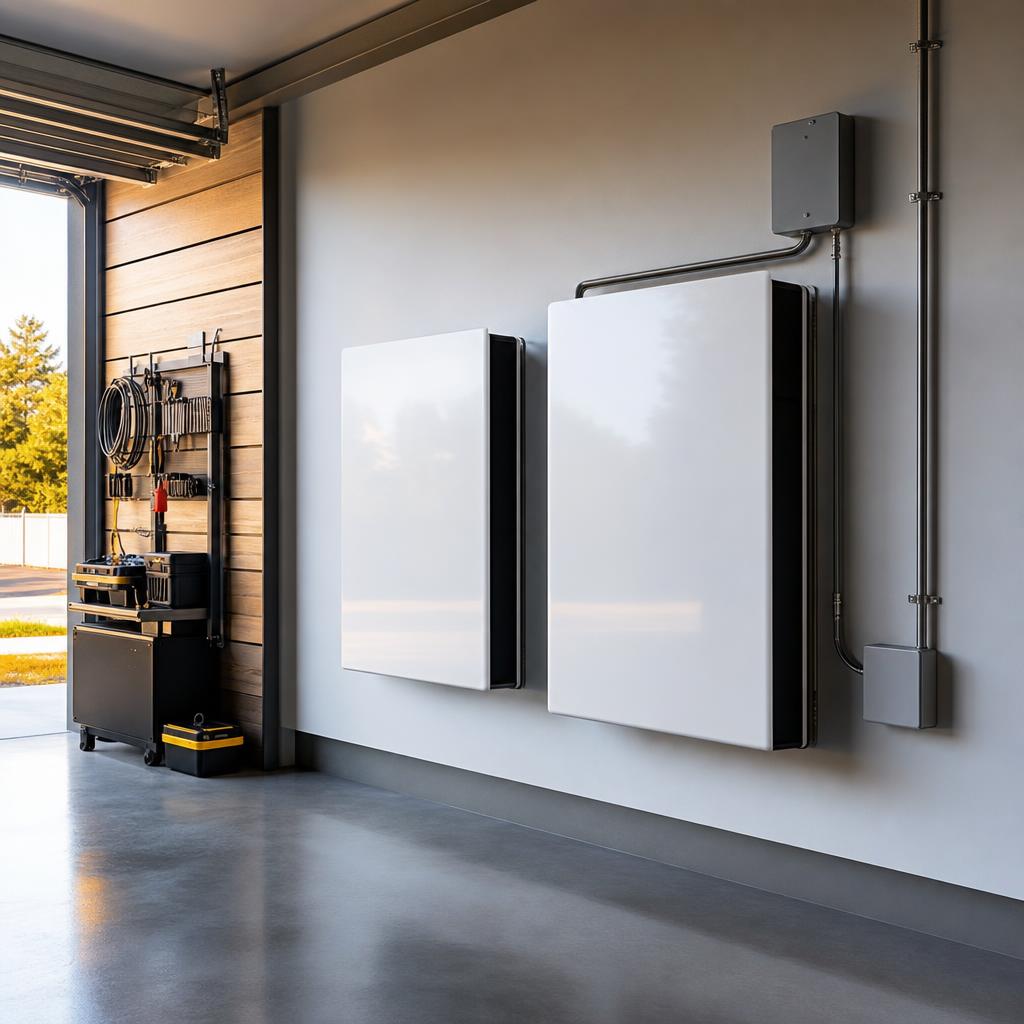
Full solar array paired with a lithium home battery. The panels power the house during the day, charge the battery, and any surplus goes to the grid. When the grid goes down, the battery keeps the essentials running for 12+ hours.

Best for
Homeowners in areas with frequent outages, time-of-use utility rates, or anyone who wants to stop worrying about the power going out.

Pros

  • Keeps refrigerator, lights, internet, and critical loads running during outages
  • Shifts stored solar to peak-rate evening hours for extra savings
  • Battery also qualifies for the 30% federal tax credit
  • Reduces exposure to utility rate hikes

Trade-offs

  • Adds $10K to $20K vs a solar-only system
  • Battery capacity is finite, cannot run AC and dryer at once during an outage
  • Battery will likely need replacement around year 12 to 15
Panel type
Premium monocrystalline plus 10 to 20 kWh lithium battery
Warranty
25-year panels, 10-year battery
Lifespan
25 years panels, 10 to 15 years battery
Maintenance
Battery firmware updates automatically, panels rinsed annually
Off-Grid System

05 / Cut the utility bill to zero

Off-Grid System

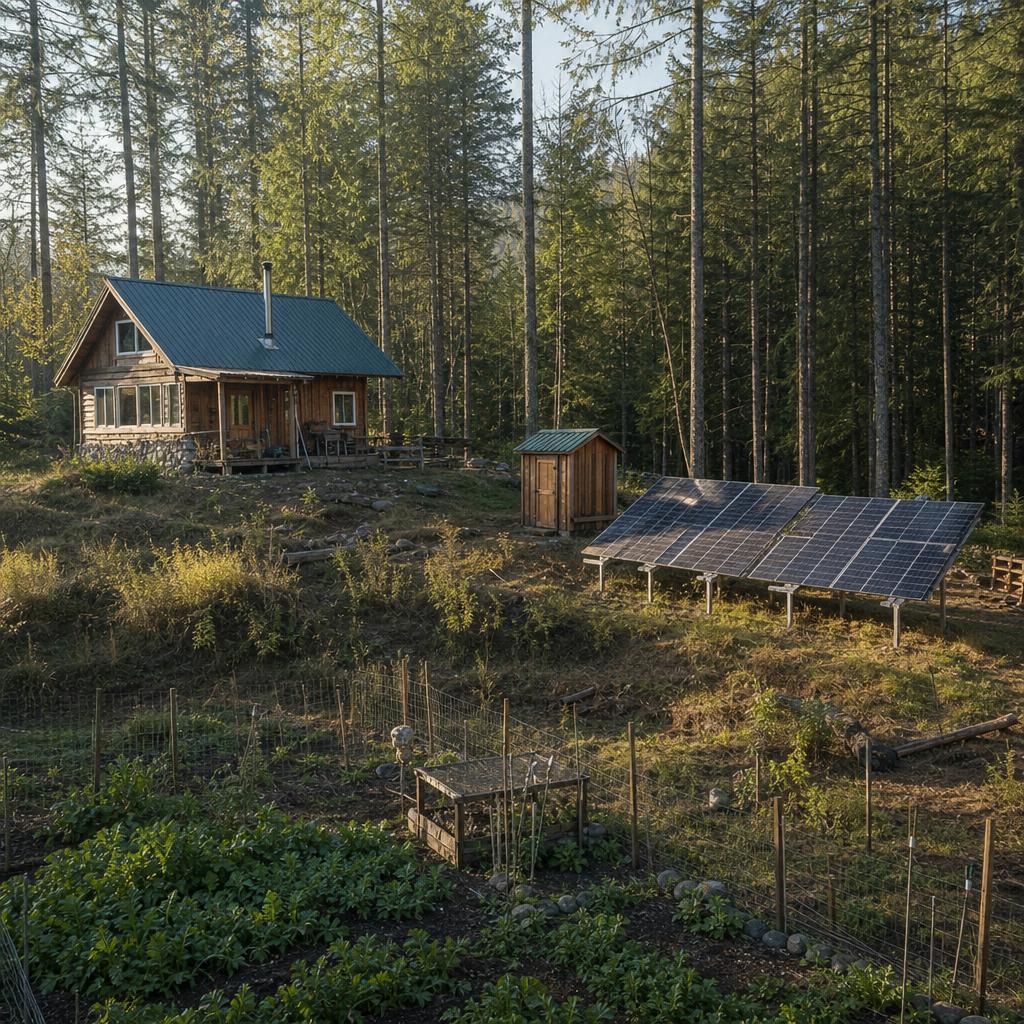
A fully independent system with oversized solar, a large battery bank, and typically a small backup generator. No utility connection required. Built for properties where running power lines is expensive or impossible.

Best for
Rural properties, cabins, ADUs, and homeowners who want to walk away from the utility entirely.

Pros

  • Zero electric bill, forever
  • No exposure to future rate hikes
  • Works anywhere, no grid connection needed
  • Full 30% federal tax credit applies

Trade-offs

  • Highest upfront cost per kWh produced
  • Requires oversized battery bank and often a backup generator
  • Winter production planning is critical, no grid to fall back on
Panel type
Bifacial or premium mono, 30 to 60 kWh battery, hybrid inverter
Warranty
25-year panels, 10-year battery, 10-year inverter
Lifespan
25 to 30 years
Maintenance
Quarterly battery check, annual panel and generator service
Solar Shingles

06 / Solar that looks like a roof

Solar Shingles

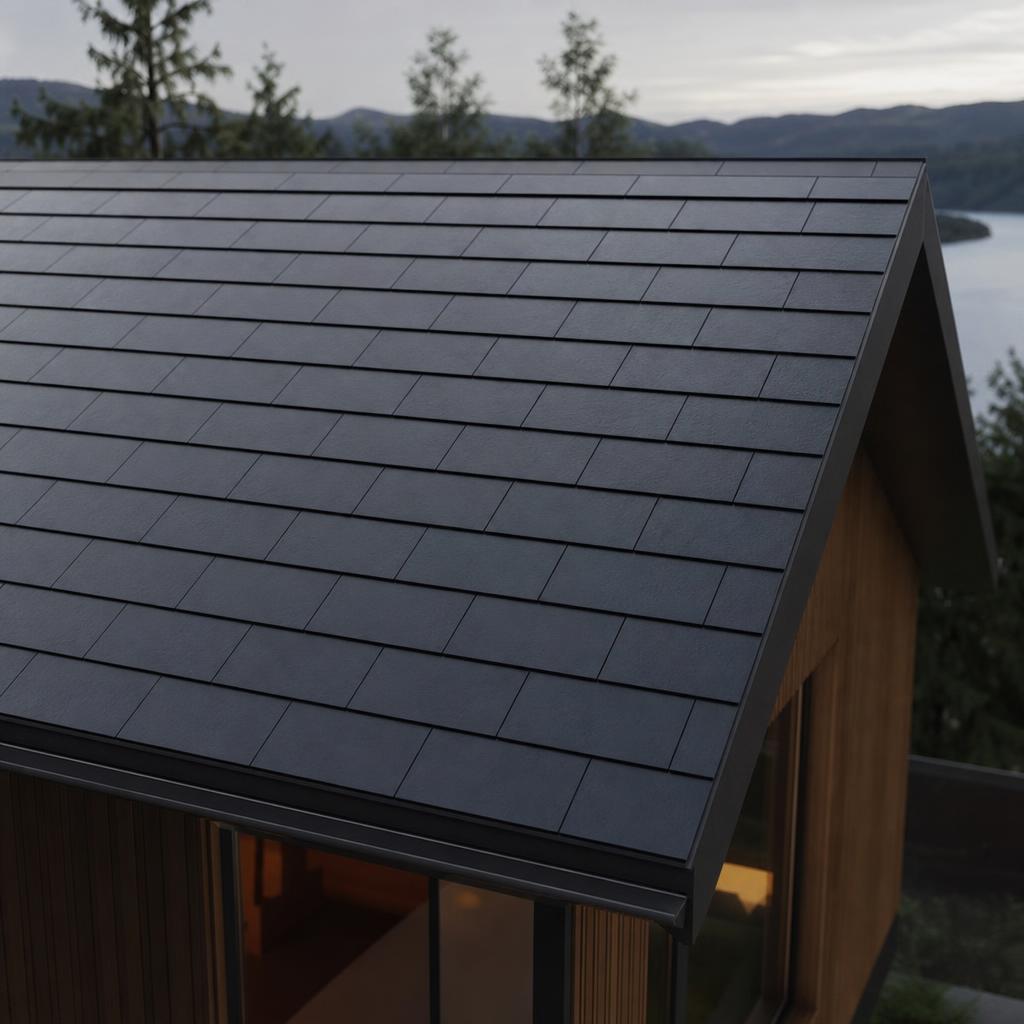
Integrated solar tiles that replace conventional shingles entirely. The whole roof becomes the array. Best chosen when the existing roof is due for replacement anyway, since you are effectively buying a roof and a solar system in one install.

Best for
Homeowners re-roofing anyway, HOA neighborhoods that block traditional panels, and buyers who prioritize curb appeal.

Pros

  • Nearly invisible from the street
  • Doubles as your roof, no separate roofing cost
  • Same 30% federal tax credit on the solar portion
  • Great fit for architecturally sensitive homes

Trade-offs

  • Highest cost per watt of any solar option
  • Fewer certified installers, longer install timeline
  • Individual tile replacement is more involved than panel swaps
Panel type
Integrated solar shingles over synthetic underlayment
Warranty
25-year power, 25-year weatherization
Lifespan
25 to 30 years
Maintenance
Same as a premium shingle roof, monitoring app flags issues
Solar Carport

07 / Solar without touching the roof

Solar Carport

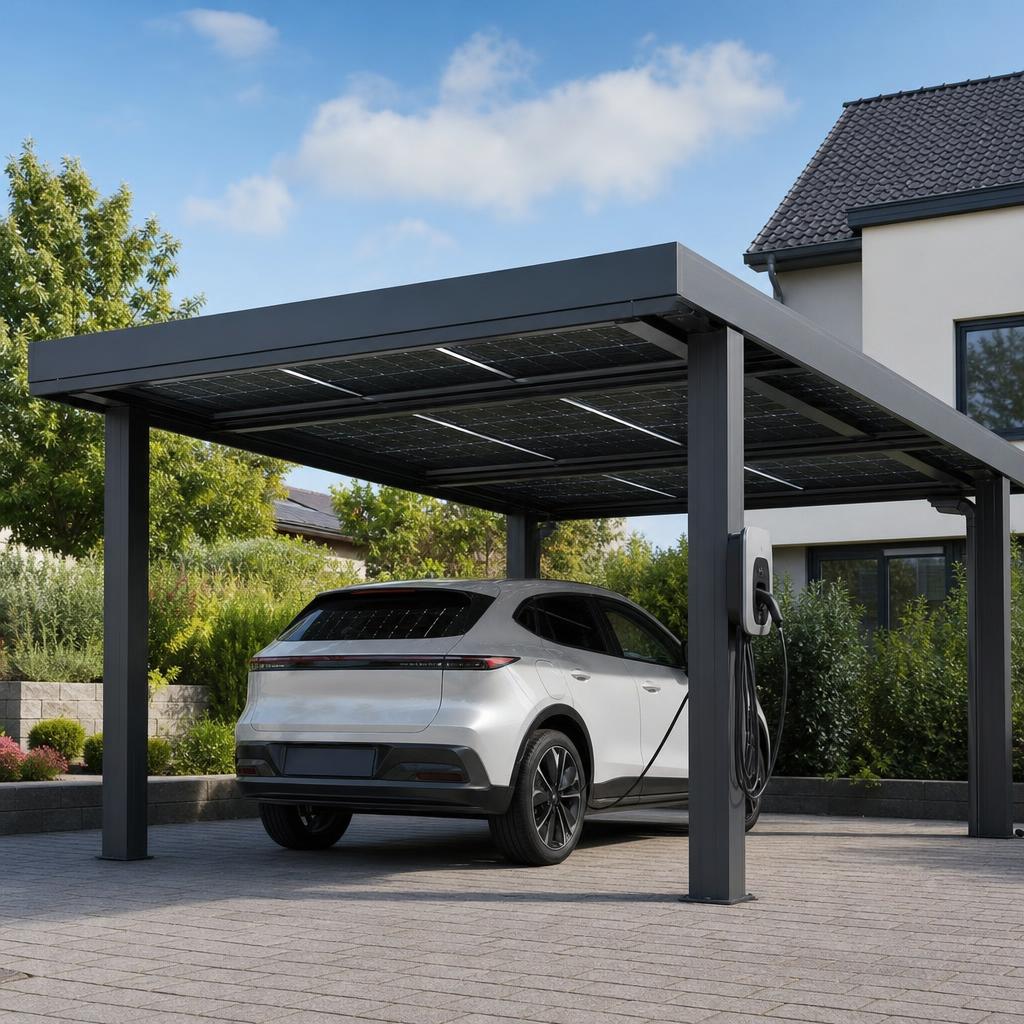
A freestanding structure over the driveway or parking pad that provides shade for the cars and mounts a solar array on top. Perfect for shaded roofs, EV owners, and homes where the roof is not right for solar.

Best for
EV households, homes with shaded or complex roofs, and anyone who wants covered parking as a side benefit.

Pros

  • Doesn't touch the roof, no roofing penetrations or warranty issues
  • Shades the driveway and keeps the car cooler
  • Ideal pairing with an EV charger and battery
  • Same 30% federal tax credit

Trade-offs

  • Requires driveway or yard space and a poured footing
  • Higher structural cost than a rooftop mount
  • Smaller array size than a full roof install
Panel type
Standard or bifacial modules on steel canopy
Warranty
25-year panels, 20-year structure
Lifespan
25 to 30 years
Maintenance
Rinse panels annually, inspect structural bolts every 5 years